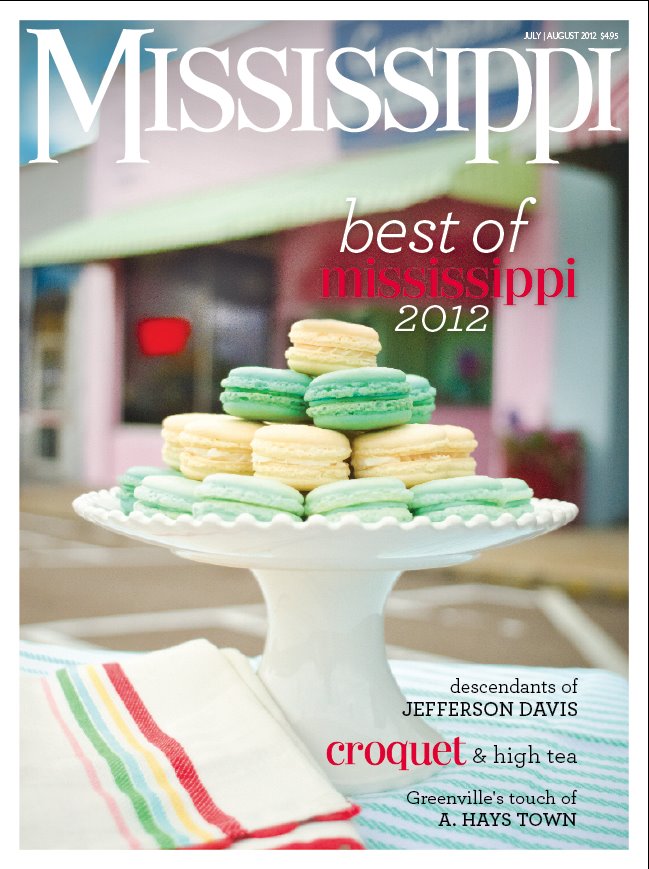
Where There’s a Will, There’s Croquet

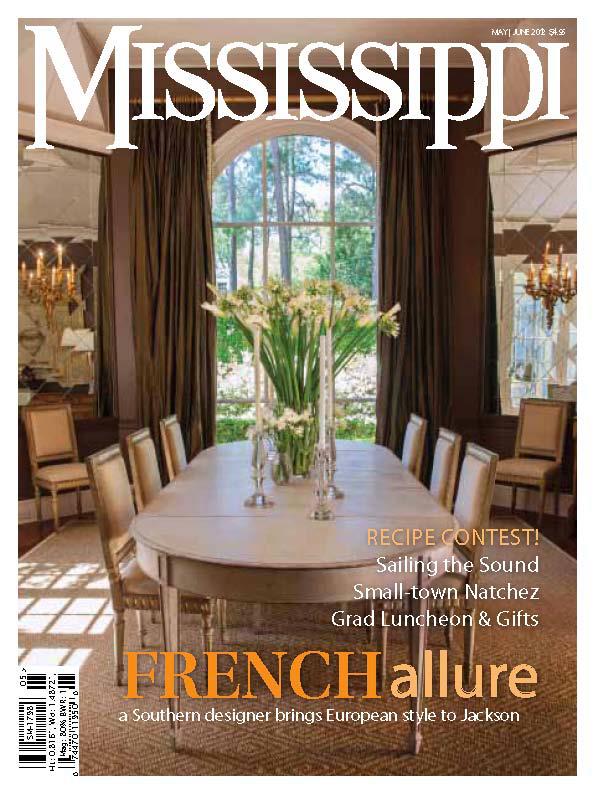
Mississippi Magazine
July/August 2012

Mississippians pride themselves on being avid outdoorsmen, fishermen, even football players.  Likely you know a local golf enthusiast and maybe your next door neighbor runs the occasional marathon.  What you may not know, is that tucked away behind the tall pines and magnolia trees is a little known culture of avid croquet players.

Mention the word croquet at your next social gathering and likely you will conjure up images that run the gamut – everything from childhood memories of playing the game in a suburban backyard, Victorian-era scenes depicted in a favorite movie, to the fairy tale version written about in Alice in Wonderland.  The game itself has been around for centuries, believed to have originated in 17th-century France from a game known as palle-maille.  It was introduced to Ireland and England in the 1850’s before arriving in America sometime in the 1860’s.

Believe it or not, croquet was not always a game for the elegant and well-mannered.  In the 1890’s, Boston clergy lobbied to have the game banned because it brought about a great deal of drinking, gambling, and other behavior considered unbecoming.  The opposition nearly threatened the popularity of croquet in American until it resurfaced in the 1920’s.  By the 1950’s and 60’s, nearly every household was playing a version of the game in backyards across the country.

Traditional American six wicket croquet became solidified within the American culture in 1977 when croquet champion Jack Osborn brought together five clubs to form the United States Croquet Association (USCA).  Their first order of business was to establish a clear-cut set of rules – known as American rules croquet – that are still used today.  The basic concept behind six wicket croquet is simple.  There are two sides – blue and black balls versus the red and yellow balls.

Teams can be played by two single players or in pairs.  The object is to maneuver the balls through a course of six arches, called wickets, and finally into a stake.  The first team to do so wins the game.   While that may seem easy enough, the game combines the physical skills used in billiards and golf with the strategic planning of always thinking one step ahead of your opponent found in a game of chess.  Truly understanding and mastering the game requires practice and study.

Croquet is a game that has always been rich with tradition and the croquet clubs across Mississippi are no exception.  One tradition that has been passed on through the years is the requirement that players wear all white.  There is speculation as to how this rule got started – some say it’s because the sport is usually played in hot weather and the white fabric reflects heat.  Others say it does not distract from the game and looks more elegant.

“It’s tradition,” says Jackson businessman Mike McRee, who was first introduced to the game in 1988 when longtime friend Grady Jolly presented him with a croquet set as a gift.  Jolly had just recently returned from a trip to California, where he played croquet with famous winemaker Robert Mondavi at the Meadowood Club in Napa Valley.  At first McRee was baffled.  He was accustomed to the poorly-constructed sets used for backyard games.  The set given to him by his friend was high quality.

“The set was too nice to play croquet in a pasture,” McRee recalled.  “I decided if we were going to do this, we needed to do it right.”

Tournament croquet is played on a lawn cropped to 1/8 – 1/4-inch high, similar to a golf course.  McRee’s first stop was the local library, where he checked out several books on building a golf green.  Before long, he had bulldozed a plot of land he owned in Pocahontas, MS, and within six months of building the court over 15 couples were showing up to play on a regular basis.

McRee has built several croquet courts since, his most recent in 2005 when he established the Highlands Mallet Club in Flora.  The group of about 15-20 couples meet every Sunday afternoon.   A bracket is created to establish partners and games usually kick off around three o’clock.

Ed and Hillis Becker have been members of Highlands Mallet Club for four years.  They were introduced to the game by Ed’s father Jim, who has been an avid player and a longtime member of the club.

“It is a very enjoyable way to spend a Sunday afternoon,” said Hillis.  “There is usually a different crowd every week.  We have a great mix of people, both male and female, of all ages.”

The season traditionally kicks off in the spring and concludes in October with the annual Member/Guest Tournament.  Members are asked to bring a guest to the weekend-long event, which kicks off with a seated dinner at a member’s house.  Team assignments are made.  Each team is made up of one male and one female player and novices are paired with more seasoned players.  The tournament continues throughout the weekend with teams advancing to the quarter and semifinals.  The winners of the tournament receive the coveted Jim Becker trophy, named in honor of Ed’s father.

The weekend concludes with “high tea,” an elegant spread served right before the championship tournament.  A typical menu includes a variety of finger sandwiches including tomato, cucumber mint, and chicken salad sandwiches; fresh vegetable pate; French almond macaroons; petit fours; scones with lemon curd; chocolate dipped strawberries; and hot and iced tea and champagne.

When asked what advice he would give to someone interested in taking up the sport, Ed Becker suggests starting off by reading as much information available about the game.  “Croquet is one of the few sports where men and women can compete on an equal level, there is no upper hand,” he says.  “It’s a fun game that can be played quickly and really deserves more attention.”

Croquet Clubs in Mississippi:

Highlands Mallet Club
Jackson, MS
(601) 949-3103

Long Beach Yacht Club
Long Beach, MS
(228) 868-8279

Pocahontas Mallet Club
Jackson, MS
(601) 955-3353

Small Town America Meets American Idol: Beatty Street Grocery Doles out Burger, Fries, and a Little Taste of Fame

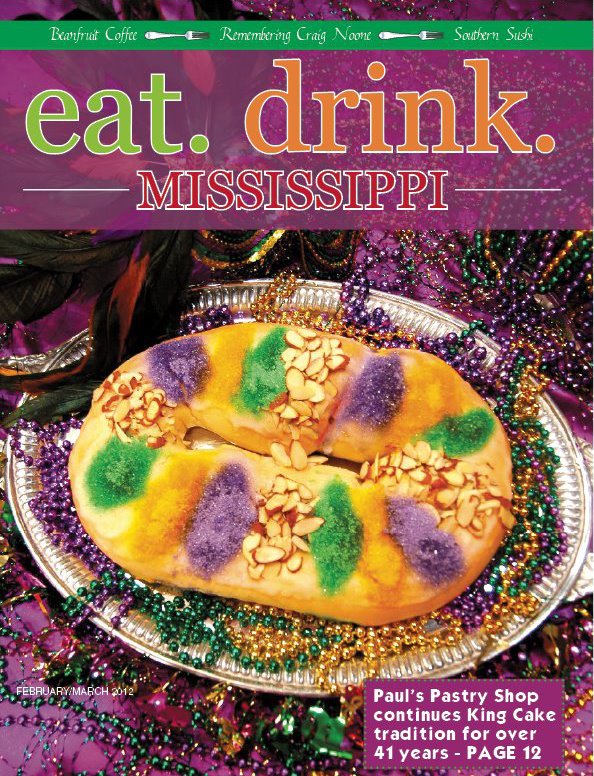
eat. drink. MISSISSIPPI
June / July 2012
Article and photos

Beatty Street Grocery has been known by long-time Jackson natives as place for burgers and fries.  The unimposing white building on the corner of Beatty and South West Streets has been in the same location since West Street dead-ended at East Rankin Street and the city limits of Jackson only extended as far as Highway 80.  It’s a time most Jacksonians don’t remember.  But where modern burger joints, restaurants, and large commercial franchises move in and then fizzle out, Beatty Street Grocery – like an old friend – has seen the city of Jackson through good times and bad.

Beatty Street Grocery didn’t begin as a restaurant.  When Carolyn Massey’s father bought the establishment in 1940, the surrounding area was lined with family homes and every neighborhood had its own corner grocery store.  Where long wooden dining tables and bar stools now stand used to sit store aisles selling canned goods and produce.  Patrons purchased their meat where diners now place drink orders.  The original deed – handwritten on a piece of tablet paper – hangs prominently in a display case near the back entrance.  Massey’s father paid $250.

“Back then you didn’t have a lawyer draw up the paperwork,” Massey recalls.  “All you needed was a signature and a gentleman’s handshake.”

For a short time, Massey’s mother ran the store while her father continued his job as a bread deliveryman.  However, the stress of running a store and caring for a toddler (Massey was only a year old at the time), proved to be too much.  Massey’s father eventually gave up his delivery job and took over running the store full-time.  In 1947, the store was enlarged to include its modern day location.

The grocery store began selling sandwiches almost immediately.  Several local industries were within walking distance; however many of the employees had nowhere to eat for lunch.  Seeing a need, the store began offering homemade sandwiches wrapped in butcher paper for 10 cents apiece.

Hamburgers wouldn’t make an appearance for another 17 years.  By then Massey was a new bride still helping out at her father’s store.  Not surprisingly, Massey’s mother had grown tired of sandwiches and Massey thought she had just the solution – a brand new electric skillet she and her husband Malcolm had received as a wedding gift.  Massey brought the skillet to work and began frying up hamburger patties when a customer asked if he could buy one.  By 1960, Beatty Street was selling more hamburgers than another up-and-coming restaurant franchise that had just moved into the area – McDonald’s.

The arrival of the first supermarket in Jackson marked the beginning of the end for the local mom-and-pop neighborhood grocery stores.  While many stores began shutting their doors for good, Beatty Street had its restaurant to fall back on.  It still maintains a convenience store, selling sodas, chips, and gigantic jars of dill pickles, but the former grocery store is now known more for their $5 combo meal –which includes an 8 oz. Beatty burger still wrapped in butcher paper, an order of fries, and a 32 oz. drink.  The menu has grown exponentially since they sold their first hamburger to include other popular items such as poboys and salads.  It is currently one of the few places in Jackson where you can still order a fried bologna sandwich.

Over the last 70 years, the neighborhood surrounding Beatty Street Grocery has changed.  The little white brick building has watched as families moved out and businesses moved in.  While many locals who grew up eating Beatty burgers still stop in for lunch, the little mom-and-pop eatery pretty much fell off the radar for much of the younger generation.  That is, until recently.

Earlier this year, Beatty Street Grocery became associated with something quiet unlikely – the popular Fox television show American Idol.  The Massey’s eighteen-year-old granddaughter, Skylar, auditioned for the show in Houston, Texas, during Season 11’s national talent search.  She is the second contestant from Mississippi to appear on the show and the first to make it all the way to the top five.  Suddenly the Massey’s family restaurant has been cast into the limelight as Skylar fans – known as Skoutlaws – have taken an interest in the restaurant where Skylar and older sister Blair both worked after school and mom Mary Harden is the manager.

Beatty Street has taken their new found fame in stride.  There are a few handmade posters of Skylar taped to the walls and the restaurant has seen their share of newcomers.  But other than that, it’s business as usual.  Blue collar workers still bump elbows with men in shirts and ties as they enjoy their sandwiches and fries.  The girls behind the lunch counter still hustle to keep up with the lunch crowd.    Mrs. Massey still sits quietly at the cash register, handing back change and taking the time to talk to a regular.  Occasionally someone will comment about her granddaughter’s success on American Idol.  Massey nods her head and points out that she’s just as proud of her other granddaughter Blair, who is at the top of her class in law school at Ole Miss.

“Every once in a while someone will come in and say, ‘I never knew you were here!’” adds Massey.  “I just have to laugh.  We’ve been right here for over 70 years.”

Beatty Street Grocery
101 Beatty Street
Jackson, MS 39201
(601) 355-0514

Hours:
Monday – Friday 6 a.m.-5:30 p.m.
Saturday 6:30 a.m.-2 p.m.

If You Build It, They Will Come: Livingston Farmer’s Market

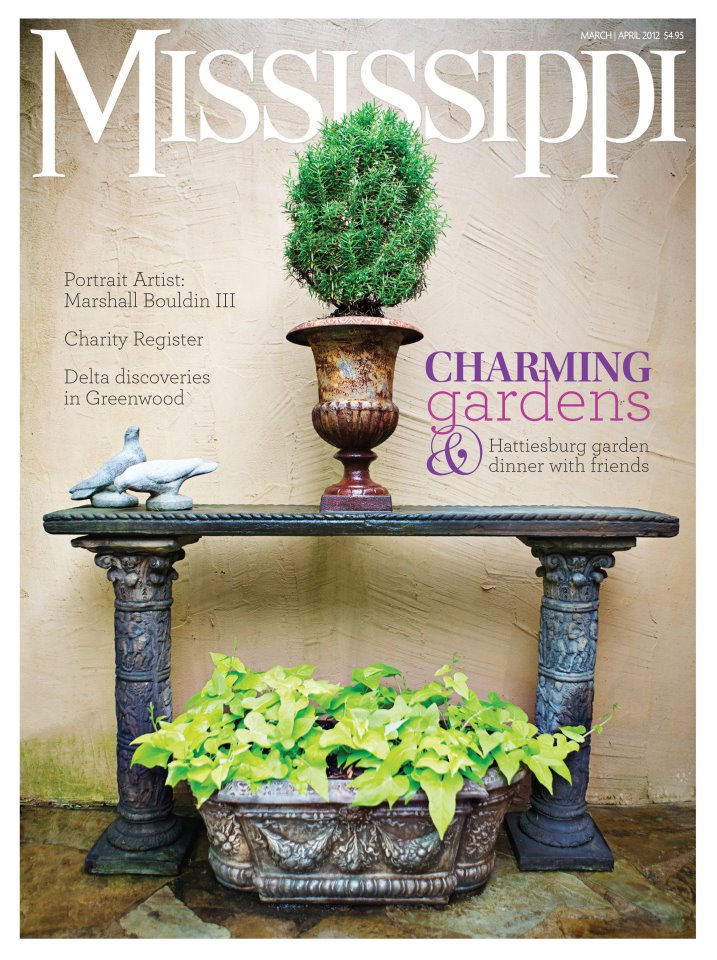
Mississippi Magazine
May / June 2012

Once upon a time, before central air conditioning and television sets brought us in from our front porches, people took the time to get to know their neighbors.  There were no early morning meetings to rush off to, no cell phones to distract us, and no rush hour traffic to put us behind schedule.  Good fences did not make good neighbors, but rather good neighbors made good friends.

Five years ago, developer David Landrum set out to bring back those good old days.  His inspiration came from a long-forgotten Mississippi town that last saw its heyday when the horse and buggy were a preferred mode of transportation.  The town of Livingston was established as Madison County’s first town and served as the original county seat from 1828-1833.  Located at the crossroads of Highway 463 and 22, Livingston was once considered a thriving center of business that would meet its demise some thirty years later after being bypassed by the Mississippi Central Railroad.

The first time Landrum visited the site, the only evidence left to suggest that Livingston had even existed were a few overgrown roadbeds.  It was enough to convince him that the site had potential.  Six months later Landrum and several investors purchased the land and set out to restore the town to its former glory.

The goal – create a community that not only highlights Mississippi’s historic roots, but also celebrates the best of what Mississippi has to offer through food, music, literature and art.  That vision includes focusing on the farm-to-table movement, which seeks to take locally produced food and deliver it straight to consumers.   As momentum began to build, Landrum, his wife Jill, and Creative Director Leisha Pickering felt they needed to create something that would tie the entire community together.  Thus, the idea of the Livingston Farmers Market was born.

“We want our town to have an organic, earthy feeling that is supportive of local farmers, artists, and craftsman while celebrating our state’s natural resources,” Pickering said.  “We felt like establishing our own farmer’s market would encourage people to come out and be a part of our town and help lay the groundwork for what we are trying to accomplish.”

The group brought in Richard Butler, former director of the Mississippi Farmer’s Market, to head up the operation as Farmer’s Market Project Manager.  Butler worked with the Mississippi Department of Agriculture and Commerce every step of the way to ensure the market met every guideline needed to become a certified farmer’s market.  On June 2 of last year, the market opened with 18 vendors.

“Honestly, that first market we were all nervous,” said Landrum.  “The closer it got to four o’clock when we were supposed to open the more we wondered if anyone would show up.”

Jill Landrum adds, “When we first told people about our plans, their first reaction was usually, ‘You are going to build a town where?’  We wondered if we built this, would people really come?”

The Landrum’s fears were unfounded because in the end, people did come.  They came not only to purchase fresh produce and handmade crafts from farmers and artisans all across the state, but to get away from the hustle and bustle of daily life and spend a moment relaxing and reconnecting with their community.  By the time the market closed in the fall, the market was realizing almost 1,000 visitors a week and the number of vendors grew to nearly 30.

“We thought once the summer months started getting hotter that people would probably come, get their groceries, and leave,” David Landrum admits.  “But we noticed that people would stay and hang out.”

Jill Landrum agrees, “People came back week after week.  I think they really longed for that connection and sense of community.  They would sit, visit, and listen to music. The atmosphere was really special.”

So what can a first time visitor expect when they make a trip to the Livingston Farmer’s Market?  Right off the bat, they are met by rows and rows of tents shaded by a canopy of trees on the site of the old Livingston town square.  Guests have their pick of fresh, seasonal produce – much of it grown in Mississippi – including tomatoes, onions, garlic, herbs, watermelons, and berries.  They can also pick up something special – such as a jar of homemade jam, goat’s milk soap, a loaf of homemade bread, and other handmade gifts.  Before heading home with a bag full of goodies, they can enjoy a cup of freshly squeezed lemonade or a glass of wine from the wine bar and take a moment to enjoy some live music.  The market also has children’s activities to ensure even the youngest visitor has a good time.

“People who make the trip for the first time come away with something that goes way beyond a traditional farmer’s market,” Butler said.  “Everything is carefully planned and executed so that you leave with a totally different experience.”

This year’s farmer’s market kicks off on May 17 and will continue every Thursday from 4-8 p.m. through October.  The number of participating vendors is expected grow another fifty percent and include farmers from as far away as Greenwood and Simpson and Smith counties.   Several area restaurants will be returning this year to give cooking demonstrations on how to prepare locally grown food.

Just as the Town of Livingston will soon begin to grow and evolve, plans are in the works to keep the farmer’s market new and exciting.  Livingston’s first building – a permanent pavilion to house the market – is expected to be completed later in the year.  Viking Range has plans to construct an outdoor kitchen for cooking demonstrations.  In keeping with the organic, farm-to-table focus, a working farm will produce fresh eggs, cut flowers, and vegetables in addition to a greenhouse for varieties not found locally.

“Our goal is to build one of the best farmer’s markets in the country,” David Landrum reveals.  “Not only are we supporting local farmers, but encouraging growth in the local economy.”

Taking the Cake: Fat Cake Guy

eat. drink. Mississippi
March / April 2012

When Jim Stewart got out of bed one Saturday morning in June 2007, he had no idea that by the end of the weekend he would be the new owner of a candy store.  Stewart and his wife Ginnia decided to run errands that afternoon, ending up near Candy’s Confections on Old Fannin Rd. in Brandon.  Noticing the door to the store was left propped open, the couple decided to step inside.  Next thing they knew, the current owner was making them an offer.

“My wife and I decided to go home that night and talk about,” revealed Stewart, who at the time was working as a safety manager for a trucking company in Clinton, but had spent several years working in the food industry.  “The next day we went back and did an inventory and Monday morning I quit my job.”

Because the name Candy’s Confections was already well-known within the community, the couple decided to keep the name.  Baking was a service that the previous owners offered, but gourmet candy and sweets had always been the main focus of the business.  Eventually, Stewart began to notice more demand for custom-made cakes.  In September 2011, the Stewarts decided to close the original location and move into a larger facility on Lakeland Drive in Flowood.  The store re-opened as Fat Cake Guy a week later.

Fat Cake Guy offers a variety of custom designed-cakes for any occasion including weddings, birthdays, baby showers and corporate events.  Their cakes range from decorated sheet cakes to 3-D cakes (to date, his most elaborate 3-D cake has been a replica of the Starship Enterprise from Star Trek) and come in any flavor imaginable from traditional white to red velvet to hummingbird.

“Now days with Google, if I can find a recipe for it, I’ll make it,” says Stewart.

Fat Cake guy is more than just a bakery, however.  Not forgetting their roots, the store still offers a large selection of bulk candy items in addition to gourmet chocolates, brownies, cupcakes, and iced cookies.  Both adults and children can pull up a bright orange bar stool and enjoy a “candy cocktail” at the Candy Bar.  These non-alchoholic beverages, comprised of soda and flavored Italian syrup, are served in brightly colored hurricane glasses with candy fruit garnishment and fun, squiggly straw.  Patrons can try a frappe freeze, which is a non-caffeinated drink made of crushed ice, milk, and chocolate or caramel syrup.

Parents looking for a fun and creative idea for their child’s birthday need to look no further.  Not only can Fat Cake Guy bake the cake, but they can host the party as well.  Each guest is given a four-inch, iced cake that they can decorate any way they want with icing, candy or sprinkles.

Looking back over the unexpected turn of events that brought him from a safety expert to cake baker and decorator extraordinaire, Stewart adds, “Almost five years later, we are still going strong.  It has been a lot of fun and I hope to keep it up.”

Fat Cake Guy
5352 Lakeland Drive #2000
Flowood, MS 39232
601-992-9623
Website

Hours:
Monday – Thursday 7am – 7pm
Friday – Saturday 7am – 8pm
Sunday – Closed

Out of Africa: From Law Books to High Fashion

Mississippi Magazine
March/April 2012

Most people on the outside looking in to Ashley Pittman’s life six years ago would have assumed she had it all.  The daughter of Mississippi natives, Pittman graduated from Texas Christian University with degrees in political science and business.  She quickly landed a job working for a private equity firm in New York City, later moving to Los Angeles.  Young and successful, it would appear she had life on a string.

However, Pittman will be the first to tell you that while her job was interesting, it left her feeling unfulfilled.  She later left the finance world to pursue a deeper calling – traveling to Africa.  In 2006, she became a volunteer for the Clinton Foundation, a non-profit organization established by President Bill Clinton to improve the health and strengthen the economies of countries across the globe.  Later that year, she boarded a plane for Rwanda as part of the organization’s HIV/AIDS initiative.

While in Africa, Pittman discovered locally-produced jewelry and the seed for Ashley Pittman Jewelry was planted.  Once her time in Rwanda came to an end, she returned to the states to attend law school.  However, Pittman frequently found herself reflecting on her time in East Africa.

“I knew I wanted to go back and work in East Africa, but I wanted to do something more hands on,” she reveals.

Upon graduating from Boston’s Northeastern University in 2009, she decided to use her finance and law background to develop a sustainable business model that would allow her to provide not only employment for an area ravaged by drought, but also training for local artisans.  Suddenly, Pittman found herself going from studying law textbooks to high fashion.

“I never thought this is what I would be doing,” she laughs.  “However, the people I met already possessed the skills needed to create the jewelry, they just lacked knowledge of what was in fashion and quality control.  They also lacked the infrastructure needed to sell the items they produced.”

Pittman’s company purchased a collection of jewelry crafted by a group of Kenyan artisans.  Two weeks after showing the first set of samples, the line was picked up by New York-based luxury department store Bergdorf-Goodman.

“It was crazy,” Pittman says, “and incredibly lucky.”

Today, Pittman’s company purchases goods from a woman’s cooperative that employs approximately 80 artisans.  It has expanded its line into nationally recognized retailer Neiman Marcus and the independent Dallas-based specialty emporium Stanley Korshak.  Her collection features bracelets, necklaces, and earrings made from bronze, semi-precious stones, and horn sourced from locally raised livestock.  She makes frequent visits to Africa, returning every three months for 3-4 weeks at a time to spend time with the artisans and introduce new designs.

Pittman’s success has not only allowed her to follow her passion, but it has also given her the opportunity to help improve the lives of the artisans she works with.  Through the Ashley Pittman Foundation, 10% of the profit from each jewelry sale supports projects that improve the Kenyan community of Kamboo.  To date, the foundation has been able to help support a rural health center that serves over 4,000 people who have never had access to basic healthcare.  Equipped with clean, running water, eight patient rooms, and a refrigerator for medicine storage, it is estimated that the clinic treats over 100 malaria patients every month.  The Foundation also supplies the local primary school with clean water and hot meals, an amenity that is not otherwise readily available to many of the children who attend the school.

“Many of these artisans did not know where their next form of income would come from,” Pittman adds.  “I believe in ‘Trade, not Aid.’  Rather than these people relying on donations, they now have the ability to work for themselves and create a better life.”

To read more about Ashley’s story and her Foundation:
Ashley Pittman Jewelry

Leaving a Legacy: Craig Noone

eat. drink. Mississippi
February/March 2012

On the morning of October 14, 2011, the city of Jackson woke to the stunning news that it had lost one of its brightest young visionaries. As news spread of the tragic automobile accident that took the life of Craig Noone, founder, owner and head chef of Parlor Market, stories began to emerge not only of his great talent as a chef and entrepreneur, but of his kindness and compassion for others.

A Jackson native, thirty-two-year-old Noone’s culinary career spanned worldwide, from Texas to Italy. He returned to Mississippi in 2009 to take part in the revitalization of downtown Jackson, laying out plans to open a restaurant that would pay homage to his Southern roots. Along the way, Noone recruited some of the best and brightest young talent in the industry.

“Craig liked to say he was the best ‘hirer’ in the nation,” said Ryan Bell, sous chef at Parlor Market. “He liked to surround himself with people he thought were better than him.” Bell, along with Chef de Cuisine Jesse Houston, packed up all their belonging and moved from the Dallas-Fort Worth area to Jackson to help Noone make his restaurant a reality. With his dream team assembled, Noone opened Parlor Market on West Capitol Street in downtown Jackson in September 2010.

Noone’s aspirations encompassed more than just the success of his restaurant. His vision included raising Jackson to new heights as a food lover’s city. He frequently invited other talented chefs to visit his hometown and encouraged them to open restaurants of their own.

“He didn’t care that these chefs could turn into potential competition,” commented Houston. “He wanted better food to be available in Jackson. He wanted Jackson to become like Atlanta, Chicago, and New York City.”

Specializing in Southern Cuisine with a regional flair, Parlor Market’s menu features everything from new takes on old favorites – like their smoky pimento cheese – to wild game. Noone was a big advocate of utilizing local as much as possible, which is reflected in the menu items.

“We use a lot of local produce,” explains Houston, who shops at a local farmer’s market once a week to select ingredients. “Our dishes feature regional fish and meat; quail. All of our seafood comes from the Gulf coast.” The menu items change to take advantage of what is in season.

“Craig was always looking for ways to push boundaries by researching other restaurants and different types of food,” recalls Houston. “Our first menu was comfortable while still pushing the envelope. Since then, we’ve added even more exciting dishes as we experiment with different cooking methods and techniques.”

While he was alive, it was common to find Noone patrolling the dining room, greeting guests and making them feel welcome. Although his face is no longer among the crowds that fill the restaurant during lunch and dinner hours, Parlor Market’s staff has continued to keep his legacy going through Noone’s various charitable interests. This includes establishing a Jackson chapter of the Miracle League, a non-profit organization that constructs baseball fields for disabled children. Parlor Market has already participated in one fundraiser to help raise the nearly $300,000 needed to build the field and they have plans to remain involved in a cause that was so close to Noone’s heart.

“We are still going strong and still going to continue to do what we intended to do when we opened the restaurant – educate people on different food and different products,” adds Bell, “We are going to continue to push the envelope in Mississippi.”

Parlor Market
115 W. Capitol Street
Jackson, MS 39201
601-360-0090
http://www.parlormarket.com

Tuesday – Friday
11:00 am – 2:00 pm
4:30 pm – 10:00 pm

Saturday
11:00 am – 2:00 pm
5:30 pm – 10:00 pm

Closed Sunday and Monday

Donations for the Craig Noone’s Miracle League of Jackson can be sent to 115 W. Capitol Street, Jackson, MS 39201. Checks should be made out to ‘Craig Noone’s Miracle League of Jackson.’

Feeding Mississippi: Mississippi Food Network

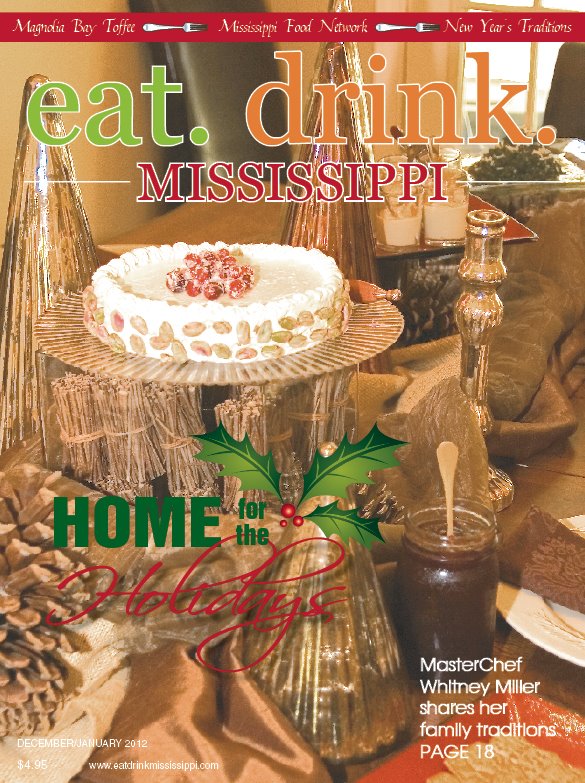
eat.drink.Mississippi DecJan 2011eat. drink. Mississippi
December 2011/January 2012
Article and photos

There is no other time of year more closely associated with food than the holidays. Magazines dedicate entire issues to preparing the perfect holiday feast while fitness gurus preach about how to avoid the inevitable weight gain. However, for almost 600,000 Mississippians that live below the poverty level, a festive and food-filled holiday season seems more like an unattainable dream rather than a reality.

For over 27 years, the Mississippi Food Network (MFN) has been providing food and personal items to families in need all across the state. But what exactly does the face of hunger look like? Many may assume it only includes the homeless. However, hunger can affect working families that either don’t bring in enough income to meet their day-to-day needs or are hit with an unexpected expense that puts a strain on their finances. This means single parents or senior citizens who must choose between paying for a doctor’s visit or buying groceries. It also includes over 211,000 children that don’t receive enough food to meet their daily nutritional requirements.

“Ninety-seven percent of what we raise goes into funding programs to feed hungry people,” says Marilyn Blackledge, Director of External Affairs at MFN. “We try to utilize volunteers as much as we can to keep administrative costs down, in addition to holding food drives and purchasing items in bulk to receive discounts.”

This slideshow requires JavaScript.

From its humble beginnings in 1983 in a 4,000 square foot converted church and abandoned fire station, the organization has grown to include 80,000 square feet of storage and office space, including its main warehouse in Jackson and a distribution center in Brookhaven. Throughout the year, MFN raises funds and stocks their shelves in a variety of ways. At the community level, the organization works with local companies to sponsor food drives in addition to raising money through individual donors, grants, and corporate sponsors.

As an affiliate member of Feeding America, the nation’s leading domestic hunger-relief charity and food bank network, MFN receives both food and monetary donations from several major corporations and retailers. In September, MFN was one of three food banks in the United States to win 30,000 pounds of chicken from Tyson Foods through a Facebook challenge in honor of Hunger Action Month.

“This will provide 120,000 servings of protein for us to distribute to our member agencies,” says Blackledge. “It is great to get a truckload of protein donated because we typically purchase staple food items with the funds we raise because they go further and are more affordable for us to purchase.”

Much of the food MFN takes in is distributed to over 320 outreach agencies across the state, including food pantries, shelters, soup kitchens, and Boys & Girls Clubs.

“There are a lot of children in Mississippi who the only meal they eat for the day is what they are served in school,” adds Blackledge. The organization feeds around 450 children through their Backpack Program, which provides backpacks full of non-perishable items for these children to take home to eat on the weekend. It also supplies healthy snacks such as fruit, milk, and peanut butter crackers to Boys & Girls Clubs throughout the Delta, in addition to breakfast and lunch via summer feeding sites and other afterschool programs around the state.

During the holidays, the organization does see an increase in need. All member agencies pack holiday packages for their clients and rely heavily on food drives to meet the demand.

“There are three ways people can help – donate money, donate food, or volunteer,” says Blackledge. “With the funds we raise, we purchase truckloads of food at wholesale cost, meaning every dollar we raise can provide seven meals. This is the best way for people to help us because we can stretch those dollars into more food. However, we always welcome groups or companies to conduct food drives for us. We get a lot of quality product that way.”

For individuals interested in donating their time, MFN hosts regular volunteer days on the second Saturday of every month from 9 a.m. – 12 p.m. at their main warehouse in Jackson. Groups or individuals interested in helping during the week are encouraged to call and schedule a time.

“Donations during the holidays are important. However, the demand for our services is year round,” adds Blackledge. “Our member agencies are serving more than 120,000 people each month and this number continues to grow.”

The Mississippi Food Network
440 W. Beatty Street
Jackson, MS 39201
601.353.7286
http://www.msfoodnet.org

From Hobby to Household Name: Gail Pittman

Portico Magazine
February 2011

If you ask Gail Pittman what the hardest job in the world is, she will reply, “Being a school teacher.” The artist and business entrepreneur worked as a school teacher for five years with the Jackson Public School System before embarking on a career move that would launch her successful line of home décor. She began at her kitchen table, inspired by a colorful bowl she found in a gift shop.

“At first, I really didn’t like ceramics,” Pittman recalls. “However, I later realized that I really enjoyed painting. So one day I sat at my kitchen table, used a Rubbermaid spice rack as my wheel, and taught myself how to make a bowl. It became my creative outlet. ”

Pittman’s goal was to create pieces that were not only decorative, but also functional. Eventually her pottery caught the eye of friends and family and she began getting requests for orders. When she landed a booth at the Canton Flea Market, Pittman thought, “I have arrived! This is it!” Shortly after, her friend Carol Puckett Daily, founder of The Everyday Gourmet, approached her about selling pieces in her retail store. Pittman soon became a house hold name and her wares are now sold nationwide.

After thirty years in the business, rumors began to circulate late last year that Pittman was retiring. “I knew I wasn’t retiring,” she says, “but there was so much in the works and so many facets that needed to come together before I could reveal what was going on.” Pittman was interested in exploring new techniques, but needed to make some major changes to the logistics side of her business. She closed down her Ridgeland plant and joined into a licensing agreement with Sidco Worldwide in Nashville. The company has production facilities both nationally and abroad and is now responsible for manufacturing and distribution. This frees Pittman up for what she really loves – designing.

“I particularly enjoy this arrangement one, because the owner of Sidco – Tom Kelly – is formerly from Greenville and he shares my belief that our mission should not only be to design products of exceptional quality for the home that inspire hospitality, love, and the creative spirit, but also to make a positive influence on all the lives we touch,” Pittman says.

In May, Pittman opened the Gail Pittman Design Store in Old Towne Center in Ridgeland. The full service retail store features a bridal registry, corporate gifts and showroom that offers not only several new designs but updated versions of some of her best loved patterns and new pieces never before offered.

“This new direction is very exciting,” she says. “I have the opportunity to move into so many different directions and I am having a great time with it. And I love spending time in the store with my customers.” As she reflects back on where the last thirty years have led, she adds, “Everything that happens in life prepares you for what you are supposed do.”

Gail Pittman Official Store

Matchmaker, Matchmaker

Mississippi Magazine
January/February 2011

Looking back on their lives together, Fay and Francis Reid had a lot to be thankful for.  The couple lived through a World War, raised two children, and were later blessed with four grandchildren.  In 2002, with the approach of the couple’s 60th wedding anniversary, the Reid’s decided to put an announcement in the wedding edition of Mississippi Magazine.  

A few months later, that very magazine was delivered to the mailbox of Mary Nell Kemp Kuhlo.  Mary Nell, a native of Corinth, lived in Germany at the time and enjoyed receiving her little reminder of home in the mail.  As she flipped through the glossy pages, her eyes landed on the Reid’s anniversary announcement.  Mary Nell, the Reid’s son Marvin, and Mary Nell’s best friend Jane Dees Cozart – also a native of Corinth – had all been best friends during their time at Northeast Community College in Booneville.  Jane’s husband had passed away twelve years earlier and upon reading the Reid’s article, Mary Nell discovered that Marvin Reid was also a widower.  That’s when the wheels of fate and romance began to turn.

Mary Nell called Jane from Germany, told her about the article, and encouraged her friend to give Marvin a call.  “I told her ‘No!  I have never called a man before and I am not going to start now!’” recalls Jane.  She quickly put the conversation out of her mind until Mary Nell came home for a month-long visit to America later that summer.  Mary Nell, Jane, and several of their lifelong friends got together for brunch in Memphis.  Mary Nell shared the Reid’s story from Mississippi Magazine   with the group of ladies and her plan to get Marvin and Jane together.  “They all ganged up on me,” laughs Jane.  “I still refused to call him.  After that brunch, I thought the conversation was over -again.”

However, Jane’s former college roommate, Linda Wicker Kindrick, a native of New Albany, would not take no for an answer.  Linda called Mrs. Reid a few months later and asked how she could get in touch with her son.  Turns out, Marvin was sitting right next to his mother.  Linda convinced Marvin to give Jane a call, which he did ten minutes later.

“It had been 38 years since I last talked with Marvin,” Jane said.  “He had gone to Delta State and I went to Mississippi University for Women and we lost touch with each other.  But when we talked on the phone, it was like no time had passed since we last talked.  We picked up right where we left off.”  Jane and Marvin met for their first date six weeks later.  Forty two days after that, the couple married in Paris, Tenn.

The wedding took place at First United Methodist Church in Paris, Tenn., on December 7, 2002.  The couple’s children and grandchildren stood at the altar with them, including Marvin’s identical  twin daughters Allison (Jeff) Fracchia and their two sons Reid and Owen Fracchia,  daughter Amy(Charlie) Knighton and their daughters Abbie and Celeste Knighton, Jane’s son John (Angie) Cozart and their son Will Cozart, and Jane’s daughter Amy Cozart.  A wedding luncheon followed at the bride’s home for 100 family members and friends. The couple’s “ole gang” from their college days at Northeast Community College were present as well as many of the couple’s close friends.

Looking back on the chain of events that lead to their nuptials, Jane and Marvin are now thankful for the tenacity of her friends.  “This all happened because Mrs. Frances Reid put an article in Mississippi Magazine,” she adds.  “Mary Nell Kemp Kuhlo read her copy and remembered Marvin. Linda Wicker Kindrick never stopped trying to contact Marvin.  Marvin and I have so much in common and have had a beautiful life together.  This was all fate that ended so well all because of Mississippi Magazine.”

Slumbering in Style: Lazy Bones Beds

Mississippi Magazine
July/August 2010

Most people dream of being able to take something they enjoy and turning it into a career.  What started out a fun side project for Jackson natives Hilary Armstrong and Elizabeth Winkelmann, owners and co-founders of Lazy Bones Beds, quite unexpectedly blossomed into an exciting new business venture.  As their success has begun to take on a life of its own, the two business partners have found themselves making plans to become the leading provider of fashionable dog beds that merge both practicality and elegance.

“Both Hilary and I are dog lovers and owners,” explains Winkelman, who is the proud owner of a Bernese Mountain dog named Linus.  “Like most southerners, we are attuned to the décor of our homes.  However, Hilary and I were particularly frustrated by the limited options in dog beds –we were tired of bringing in these ugly brown beds!”

Winkelman credits Armstrong –owner of Riley, a golden retriever – as the creative genius behind the business.  Armstrong began covering her old dog beds with colorful upholstery fabric.  During a get together at her home, friends took notice.  “They commented on how great the beds were and really encouraged me to do something with the idea,” she commented.

Armstrong approached Winkelman about the possibility of taking the idea retail.  However, both women hold demanding full-time jobs – Armstrong as a nurse practitioner and Winkelman as an airline pilot.  “We knew we couldn’t sew the beds in our homes!” explains Armstrong.

In their spare time, they researched local manufacturers that would be open to taking on the production.  Both were adamant that only Mississippi manufacturers and suppliers be used.  “We think our state is so special and we wanted to bring more attention to the region,” said  Winkelman.  “We know how special our home is and we think more people need to know about it as well.”

Each bed is covered in upholstery weight designer fabrics that come in a variety of patterns and colors.  A waterproof liner protects the inner core, making the bed not only pretty but functional.  The beds are overstuffed to ensure they hold their shape over time.  Armstrong and Winkelman  decided to take the connection to their Southern ties even further by naming each design after Southern writers, towns, and landmarks.  Customers can choose from the multi-colored Eudora, named after the brightly colored gardens found at Ms. Welty’s estate; the stately Mark Twain design, inspired by the brown and blue waters of the Mississippi River; or the muted colors of the Natchez, named for the trellises and latticework found on many of the old homes that have made the town famous.  Other patterns include the Peabody, Mardi Gras, Mr. Faulkner, Charleston, and the St. Francis.

Once the finished products were in hand, the two decided to test the waters at the 2009 Mistletoe Marketplace.  “That was really our debut,” adds Armstrong, “and we had such an amazing response!  All the vendors were very helpful and made great suggestions on how we could build on that momentum.”  After an encouraging response at Mistletoe, Armstrong and Winkelman applied to the January 2010 Atlanta International Gift & Home Furnishings Market.  There they were able to secure several wholesale accounts across the country including retail outlets in Jackson Hole, Wyo.; Aspen, Colo.; Austin, Texas; and Asheville, N.C.

Says Armstrong, “This really just started as a fun project and we are surprised at the success we have already had.”  The pair have since launched a website – and are planning to make an appearance at the Dallas Home Market in July.  They are also looking to expand into Nashville, Boston, New York, and Charleston, South Carolina.

In five years, both would like to see LazyBones Beds become one of the top retailers of dog beds.  “I don’t think we want to quit our day jobs because we both really like our jobs,” laughs Armstrong.  “But it would be nice to see the brand take off and become a viable source of income.  It started as a hobby – a creative outlet for us both.  I would like to see it become a career, but stay fun at the same time.”

Lazy Bones Beds, LLC
lazybonesbeds@gmail.com
601.896.3756
www.lazybonesbeds.com